Skip to product information
1 of 9

Taiwanese High Mountain GABA Oolong tea

Taiwanese High Mountain GABA Oolong tea

Exceptionally Smooth • Complex • Naturally Relaxing

Regular price CHF 16.50
Regular price CHF 19.50 Sale price CHF 16.50
Sale Sold out
Taxes included. Shipping calculated at checkout.
Format
Quantity

Grown at 1,700 metres in Taiwan’s high mountains, this rare GABA Oolong comes from a Taiwan-certified organic tea farm. Cool temperatures and misty mountain air allow the leaves to develop exceptional depth and character. Naturally sweet and layered, it reveals ripe stone fruit, wildflowers, and honey, with a smooth, lingering finish.

If you enjoy expressive natural wines, you may find a familiar character here: vibrant, complex, and beautifully shaped by its terroir.

A refined Taiwanese GABA Oolong for slowing down and savoring the moment.

  • Tea Bags : Made in Japan · Bio-based PLA bags · Industrially compostable
  • Tea Farm Location : Ren’ai Township (仁愛鄉), Nantou County, Taiwan
  • Cultivar : Wuyi (武夷)
  • Altitude : Approx. 1,700 m
  • Leaf Type : Whole Leaf
  • Shape : Rolled · Ball-Shaped
  • Oxidation : Approx. 60%
  • Roasting : Unroasted · Dry-finished
  • GABA Processing : Controlled low-oxygen processing 
  • Brewing : 2–4+ Infusions (depending on brewing method; see here for details)

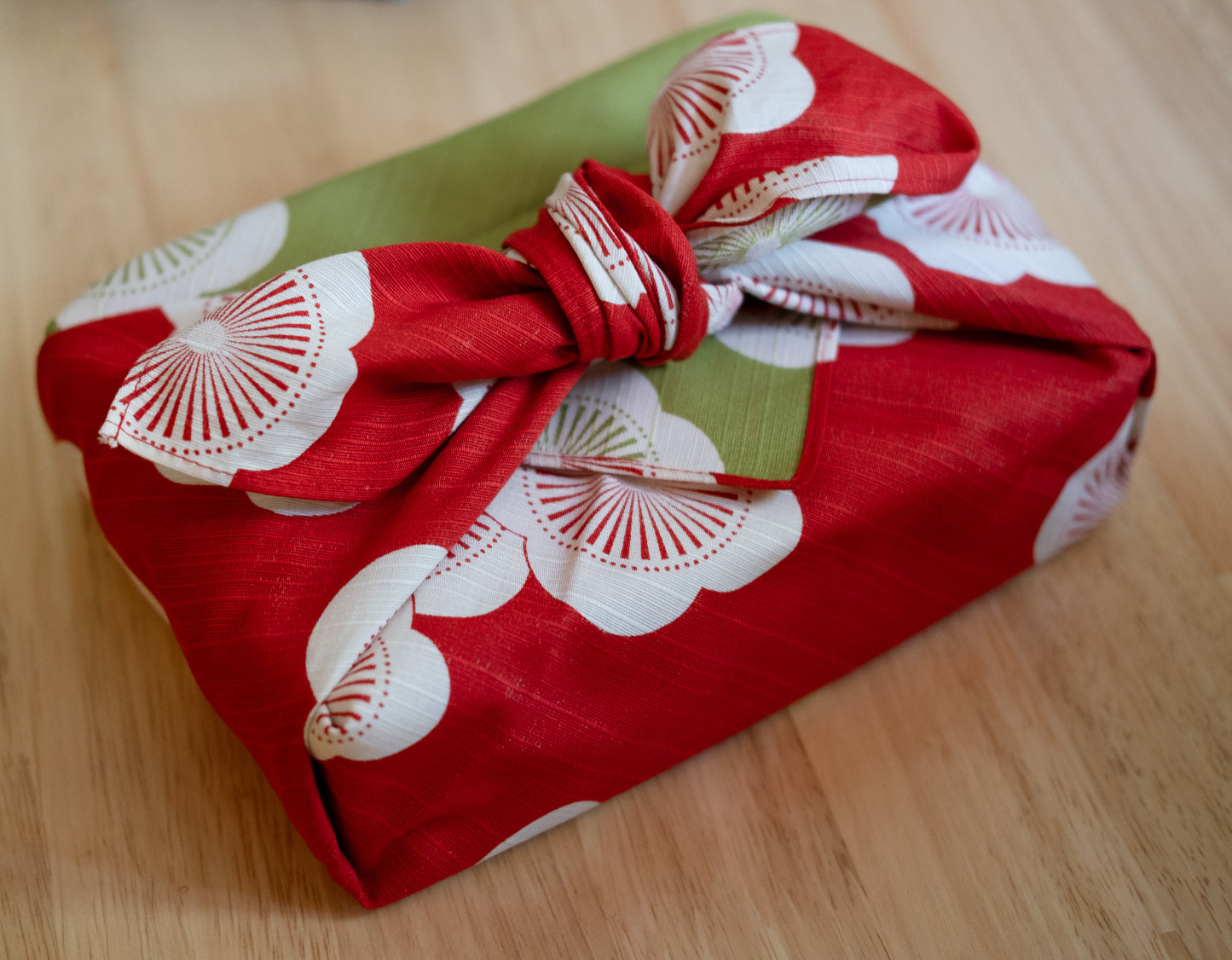
Make It a Gift — Complimentary Gift-Wrapping Service

Make your premium tea or matcha a beautiful, thoughtful gift. When you add a Furoshiki to your order, complimentary gift wrapping is included.

Simply choose your favourite Furoshiki from our collection and select “Yes” for the gift-wrapping option. We’ll carefully wrap your tea or matcha in the reusable Furoshiki, ready to give as a unique and eco-friendly gift.

One Furoshiki, beautifully wrapped. One less disposable package.

Multiple Infusions - Worth Every Leaf

Taiwanese Oolong is made to be brewed more than once. Its tightly rolled leaves gradually unfurl with each infusion, allowing the aroma and flavor to evolve from one brew to the next.

Traditional Teapot Brewing
For a more concentrated style, use 6 g of tea with 100 ml of hot water. The same leaves can be infused at least 5 times, with each infusion revealing a different character.

Larger Pot Brewing
For a larger pot, use around 8 g of tea with 400 ml of hot water. The same leaves can typically be brewed up to 3 times.

The second infusion is often especially expressive, as the leaves continue to open. Later infusions gradually become lighter and more delicate.

There is no single “right” way to brew Oolong. Adjust the tea, water, and steeping time to find your preferred flavor.

Hot & Cold Brew

  • Hot Brew
    Loose leaf:8 g tea + 400 ml water, 95–100°C,1 minute
    Tea bag:
    1 tea bag + 300 ml water, 95–100°C,2–3 minutes

  • Cold Brew
    Loose Leaf: 5 g tea + 500 ml water
    Tea Bag: 3 g tea bag + 300 ml water 
  1. Steep at room temperature for 1 hour.
  2. Strain/remove the tea bag and refrigerate until chilled.

Prefer an easier method? Place the tea and cold water directly in the fridge and steep overnight (6–10 hours).

Shipping & Delivery

Orders placed after Oct 2 ship Oct 28 and arrive around Oct 29–30. Enjoy 15% off all products as a little thank-you for your patience.

View full details
Terraced high-mountain oolong tea plantation and harvesters curated in Taiwan by Tea Studio Lu Switzerland

The Tea Farm — Where Our Tea Begins

In the misty, high-altitude tea gardens of Ren’ai Township, Taiwan, our partner farmer cultivates tea using certified organic farming practices, in deep harmony with the land and seasons.

Before dedicating herself to natural farming, she traveled the world as an international flight attendant and certified wine-tasting lecturer. Her experience with wine gave her a refined appreciation for the land, the unique interplay of soil, climate, and elevation that shapes exceptional High Mountain Oolong.

Today, she avoids synthetic pesticides, chemical fertilizers, and herbicides. Her tea gardens are certified for organic cultivation in Taiwan by the National Chung Hsing University Agricultural Products Certification Center (NCHU), reflecting her commitment to pure mountain terroir and sustainable farming.

Artisan hands traditional cloth-rolling oolong tea leaves on a bamboo tray by Tea Studio Lu in Geneva, Switzerland

What Is Oolong Tea ?

Taiwanese Oolong tea is a partially oxidized tea made from the Camellia sinensis plant. Its oxidation level, cultivar, altitude, and craftsmanship shape its aroma and flavor. Taiwanese high-mountain Oolong is especially valued for its floral fragrance, smooth texture, natural sweetness, and lingering finish. Unlike fully oxidized black tea or minimally oxidized green tea, Oolong sits between the two in processing.

Pouring hot water into a ceramic tea cup overlooking a high-mountain tea farm for Tea Studio Lu Switzerland

What Is GABA Tea?

GABA tea is specially processed to naturally increase its GABA (Gamma-Aminobutyric Acid) content. GABA is a naturally occurring neurotransmitter that helps regulate communication between nerve cells in the brain and is involved in calming and balancing brain activity.

During production, the tea leaves undergo a controlled oxygen-free (anaerobic) process that encourages GABA to naturally accumulate.

GABA tea is commonly defined as containing at least 150 mg of GABA per 100 g of dry tea leaves. All of our GABA teas are laboratory tested and contain more than 150 mg of GABA per 100 g of dry tea leaves.

GABA Oolong, especially well known in Taiwan, combines this modern processing method with traditional oolong craftsmanship to create a smooth, mellow tea with gentle sweetness and reduced astringency.

Clean room packaging and quality control facility at Tea Studio Lu in Switzerland

Tested for Purity

From Tea Leaf to Packaging

Tea quality goes beyond flavor. All our tea undergoes independent third-party laboratory testing for pesticide residues and heavy metals, helping verify purity, food safety, and compliance with applicable Swiss and European standards. Our tea is processed in a facility whose food-safety production system is certified to FSSC 22000, with food-safety practices aligned with ISO 22000 and HACCP principles. Pesticide residues are also checked on a batch-by-batch basis before production. Quality control extends from the tea leaf to the packaging materials that come into direct contact with the tea, providing an additional layer of assurance for purity, safety, traceability, and consistent quality.